

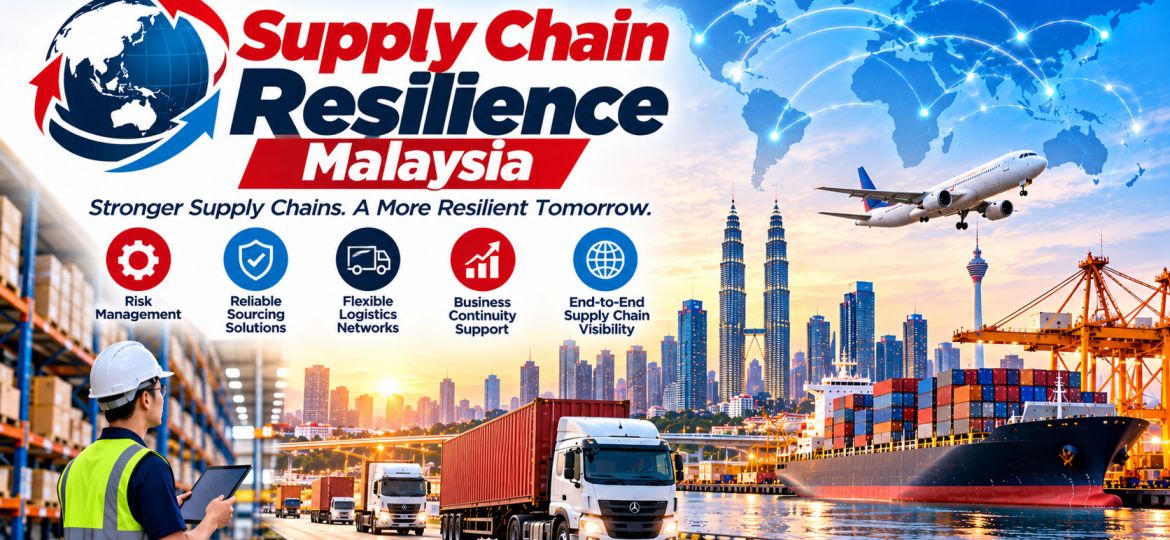
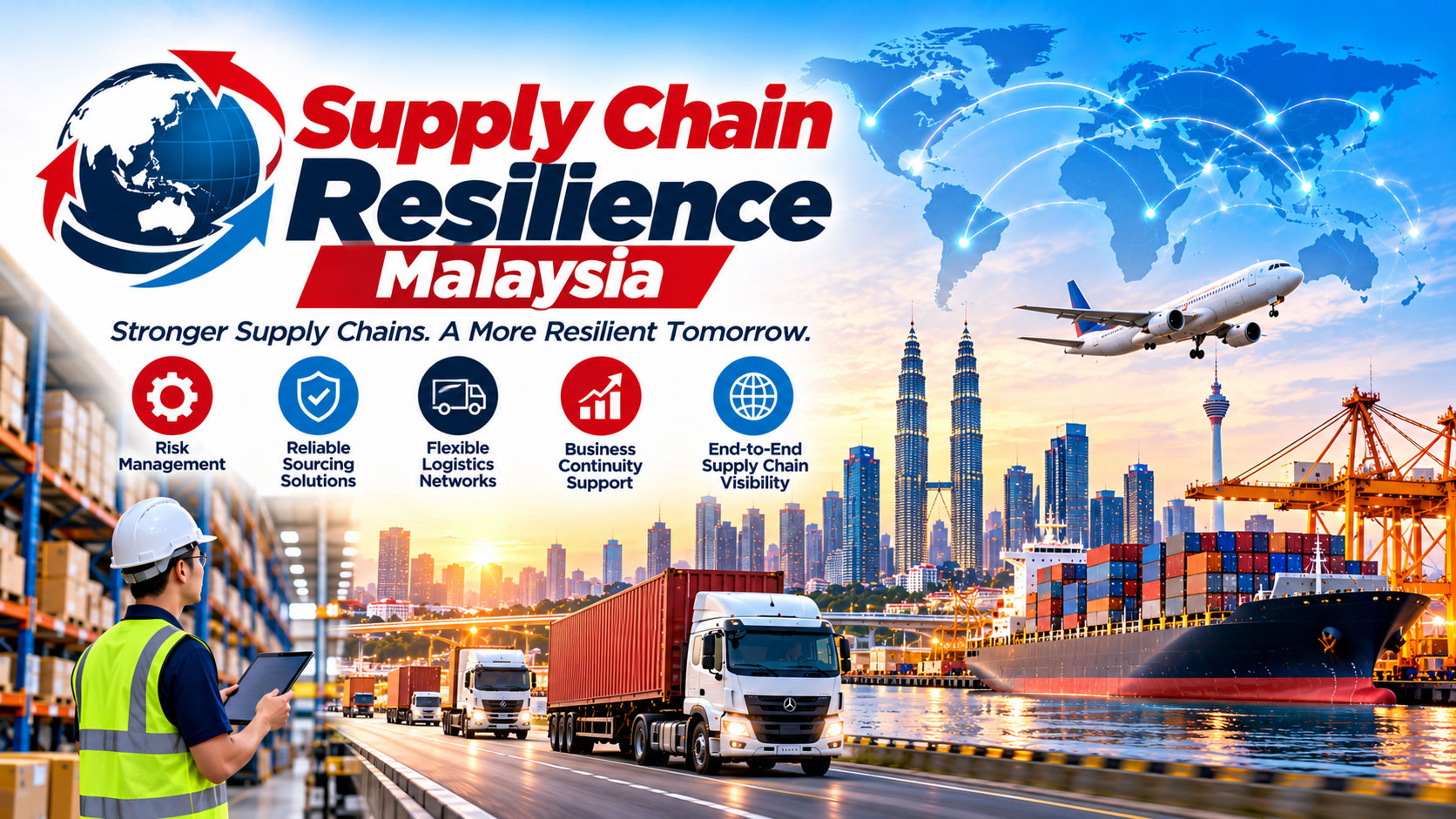
Supply Chain Resilience Malaysia
Building Stronger, More Flexible and Reliable Supply Chains
In today’s rapidly changing global business environment, supply chain disruptions can affect production schedules, inventory availability, transportation costs, and customer commitments. Businesses need flexible logistics strategies that help them anticipate challenges, respond to unexpected events, and maintain operational continuity.
Our Supply Chain Resilience Services in Malaysia help businesses strengthen their logistics operations through flexible transportation planning, alternative routing coordination, emergency freight arrangements, and time-critical shipment management.
We support organisations in managing supply chain challenges such as transportation delays, supplier disruptions, cargo capacity constraints, unexpected demand changes, and international shipping complications.
By coordinating suitable logistics alternatives and adapting transportation plans to changing circumstances, we help businesses improve supply chain flexibility and maintain the flow of critical goods.
Whether you operate in manufacturing, aerospace, automotive, electronics, healthcare, or industrial engineering, our logistics solutions are designed to support a more responsive and resilient supply chain.
Our Supply Chain Resilience Services in Malaysia
1. Supply Chain Risk Mitigation
Help businesses identify potential transportation challenges and consider alternative logistics arrangements to reduce exposure to supply chain disruptions.
2. Alternative Routing Solutions
Coordinate alternative transportation routes when planned routes become unavailable, delayed, or unsuitable. Options may include different air freight connections, road transportation, sea freight routes, or multimodal arrangements.
3. Emergency Freight Solutions
Support urgent shipments when unexpected supply chain problems create immediate transportation requirements. We assess available options to help businesses move critical cargo.
4. Multimodal Transportation Planning
Coordinate combinations of air, sea, and road transportation to provide greater flexibility when a single transport method cannot meet operational requirements.
5. Time-Critical Logistics Coordination
Prioritise critical shipments according to operational urgency, delivery deadlines, and the potential impact of delays on business activities.
6. Supplier and Shipment Coordination
Help coordinate communication between suppliers, shippers, carriers, customs brokers, and consignees to support smoother cargo movements and improve shipment planning.
7. Critical Spare Parts Transportation
Coordinate urgent deliveries of replacement parts, machinery components, and operational supplies needed to minimise equipment downtime and production interruptions.
8. International Freight Flexibility
Assess suitable import and export transportation alternatives for businesses moving goods between Malaysia and international markets.
9. Shipment Recovery Solutions
Help coordinate recovery plans for delayed, disrupted, or misrouted shipments by assessing available transportation alternatives and revised delivery arrangements.
10. Contingency Logistics Planning
Support the development of practical transportation alternatives for urgent and business-critical shipments, helping organisations prepare for potential logistics disruptions.
Why Supply Chain Resilience Matters
A resilient supply chain helps businesses respond to disruptions while maintaining essential operations. Without appropriate contingency arrangements, transportation delays or supplier issues can lead to production downtime, stock shortages, missed deadlines, and increased costs.
Strengthening supply chain resilience can help businesses:
Reduce Disruption Impact: Identify alternative logistics options when planned transportation is affected.
Improve Operational Continuity: Support the movement of critical materials and components during unexpected events.
Increase Transportation Flexibility: Consider different shipping routes and transport modes when circumstances change.
Improve Response Times: Coordinate urgent logistics requirements according to business priorities.
Protect Delivery Commitments: Evaluate practical alternatives when shipments are delayed.
Support Inventory Availability: Help coordinate replenishment shipments and urgent stock movements.
Strengthen Supplier Coordination: Improve communication between parties involved in international and domestic shipments.
Manage Logistics Risks: Prepare alternative transportation arrangements for important cargo movements.
Industries We Support
Our supply chain resilience solutions can support businesses across industries that depend on reliable transportation and timely access to critical materials.
Aerospace and Aviation
Coordinate alternative transportation arrangements for aircraft components, maintenance supplies, and aviation-related shipments to support maintenance schedules and operational requirements.
Automotive and Manufacturing
Support urgent deliveries of production components, replacement parts, and industrial materials to help minimise downtime and maintain manufacturing continuity.
Electronics and Semiconductors
Help coordinate time-sensitive electronic components and semiconductor-related shipments where delays can affect production schedules and customer commitments.
Pharmaceutical and Healthcare
Coordinate eligible pharmaceutical products, medical equipment, and healthcare supplies in accordance with applicable transportation, temperature-control, and regulatory requirements.
Oil, Gas and Energy
Support the transportation of essential equipment components, specialist parts, and operational supplies required for energy-sector activities.
Industrial Equipment and Engineering
Coordinate logistics alternatives for machinery, engineering components, specialist tools, and project-critical equipment.
Retail and E-Commerce
Help coordinate stock replenishment and urgent product shipments to support inventory availability and changing customer demand.
Construction and Infrastructure
Support transportation planning for essential project materials, equipment, and components needed to maintain construction schedules.
Supply Chain Resilience Across Malaysia and Global Markets
Businesses operating in Malaysia often depend on international suppliers, cross-border transportation, and global distribution networks. Disruptions in one part of the supply chain can affect multiple locations and business functions.
Our logistics coordination solutions help businesses assess transportation alternatives across domestic, regional, and international markets.
Domestic Supply Chain Support
Coordinate shipments between Malaysian manufacturers, warehouses, distribution centres, industrial facilities, and commercial destinations.
Regional Logistics Coordination
Explore alternative transportation options for shipments between Malaysia and neighbouring Southeast Asian markets, subject to route availability and border requirements.
International Freight Resilience
Assess alternative air freight, sea freight, and multimodal arrangements for shipments moving between Malaysia and international destinations.
Cross-Border Shipment Recovery
Help coordinate revised shipping arrangements when customs procedures, transportation delays, or route disruptions affect cross-border deliveries.
Global Logistics Coordination
Support communication between international suppliers, freight partners, and consignees to help businesses respond to changes in global shipping conditions.
Available alternatives depend on cargo specifications, transportation capacity, customs requirements, destination, and prevailing operating conditions.
Our Supply Chain Resilience Process
Step 1: Understand Your Supply Chain Requirements
Review the shipment origin, destination, cargo type, delivery deadlines, and operational importance of the goods being transported.
Step 2: Assess the Disruption
Identify the logistics challenge, such as a delayed shipment, unavailable route, supplier issue, or urgent replenishment requirement.
Step 3: Evaluate Available Alternatives
Assess suitable options, which may include alternative routes, different transportation modes, expedited shipping, or revised collection and delivery arrangements.
Step 4: Develop a Logistics Response
Coordinate a practical transportation plan based on urgency, cost, feasibility, and the required delivery timeframe.
Step 5: Coordinate Relevant Parties
Work with appropriate suppliers, carriers, customs brokers, and logistics partners to implement the selected arrangement.
Step 6: Monitor Shipment Progress
Obtain available shipment updates and coordinate follow-up actions when transportation conditions change.
Step 7: Review and Improve
Review the outcome of the logistics response and identify opportunities to improve future contingency planning and shipment coordination.
Managing Supply Chain Disruptions Effectively
Supply chain disruptions can arise from many factors, including severe weather, port congestion, flight cancellations, customs delays, transportation capacity constraints, and unexpected supplier shortages.
Effective logistics planning can help businesses prepare for these challenges and respond with greater flexibility.
Our supply chain resilience solutions focus on helping businesses:
Assess alternative shipping routes and transportation modes.
Coordinate emergency and expedited freight requirements.
Recover delayed or disrupted shipments where feasible.
Prioritise critical cargo according to operational needs.
Improve communication between logistics stakeholders.
Coordinate urgent inventory replenishment.
Adapt delivery arrangements to changing circumstances.
Develop practical transportation contingency options.
While no logistics arrangement can eliminate every disruption, effective planning and responsive coordination can help reduce the impact of unexpected events.
Your Supply Chain Resilience Partner in Malaysia
A resilient supply chain depends on preparation, flexibility, and effective logistics coordination. Businesses that can respond quickly to transportation challenges are better positioned to maintain operational continuity and meet customer expectations.
Our Supply Chain Resilience Services in Malaysia help organisations coordinate urgent shipments, evaluate alternative transportation arrangements, and manage logistics disruptions across domestic and international supply chains.
Whether you need alternative routing, emergency freight, shipment recovery, or critical component delivery, we can help assess suitable logistics options based on your operational requirements.
Contact us today to discuss your Supply Chain Resilience requirements in Malaysia.
Build greater flexibility into your logistics operations with practical transportation planning and responsive supply chain coordination.
